
Affordable Gypsum Decorative Tile Making Machine Manufacturers
By:Admin
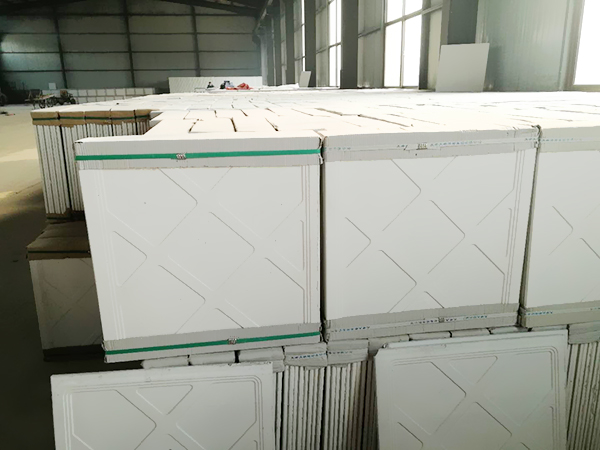
The demand for cost-effective, aesthetically pleasing interior design solutions is on the rise, and gypsum decorative tiles have emerged as a popular choice among homeowners, architects, and designers. In response to this growing market, manufacturers of gypsum decorative tile making machines are optimizing their technologies to deliver affordable, efficient, and high-quality production equipment. Recent developments in the industry have witnessed the proliferation of cheap gypsum decorative tile making machines, designed to lower entry barriers for small and medium enterprises while maintaining product excellence.
**Overview of Gypsum Decorative Tiles and Their Market Appeal**
Gypsum decorative tiles, known for their lightweight nature, fire resistance, and excellent sound insulation, have quickly gained acceptance across residential and commercial construction projects. These tiles not only provide functional benefits but also add aesthetic appeal with intricate designs, various textures, and customizable patterns. The surge in demand has put immense pressure on manufacturers to scale production without compromising quality.
**Advancements in Economical Production Equipment**
Historically, purchasing equipment for gypsum decorative tile manufacturing involved significant capital investment — an obstacle for emerging enterprises. Recognizing this challenge, numerous factories have introduced affordable gypsum decorative tile making machines tailored to meet varying production capacities and budget constraints.
These budget-friendly machines boast several key features:
- **User-Friendly Operation:** Most models incorporate straightforward control systems, enabling operators with minimal technical background to handle production effectively. Automated functions reduce errors and streamline processes.
- **Compact and Space-Efficient Designs:** Many manufacturers have engineered machines that fit smaller workshop environments without sacrificing output capacity, ideal for startups or businesses with limited floor space.
- **Energy Efficiency:** By integrating modern motor technology and optimized operational mechanisms, these machines consume less power, thereby reducing operational costs.
- **Durability and Low Maintenance:** Crafted with high-quality materials, the machines ensure longevity and minimal downtime, factors crucial for maintaining continuous production cycles.
**Implications for Small and Medium Enterprises (SMEs)**
The availability of affordable gypsum tile production machines has democratized the market, allowing SMEs to compete with larger companies. By lowering upfront costs, these enterprises can allocate resources toward product innovation and marketing efforts, further enhancing their competitiveness.
Moreover, the flexible nature of modern machinery supports customization in tile design, enabling small businesses to cater to niche market demands, such as eco-friendly materials or region-specific aesthetic preferences.
**Company Profiles Leading the Charge**
Several manufacturing firms have gained recognition for their commitment to producing cost-effective gypsum decorative tile making machines without compromising quality. These companies typically offer comprehensive support services, including installation, training, and after-sales maintenance, to ensure clients maximize the benefits of their equipment investments.
A generic example of such a provider is a company known for its robust lineup of machine models tailored for various production scales. Their product range includes fully automated lines enabling mass production, as well as semi-automatic units suitable for artisanal manufacturers.
Customer testimonials often highlight the reliability, ease of use, and rapid return on investment afforded by these machines. In many cases, enterprises have successfully expanded their capacities and diversified their product lines following the adoption of new equipment.
**Technological Integration and Innovation**
The industry continues to incorporate innovations such as smart sensors, IoT connectivity, and automated quality control to elevate manufacturing standards. Although such features are more commonly found in high-end machines, affordable models are gradually embracing these technologies in scaled-down forms.
Automation aids in reducing human error, ensuring consistent tile quality, and enabling data collection for process optimization. Integration of CAD/CAM systems allows for rapid design modifications, enhancing the versatility and market responsiveness of manufacturers.
**Sustainability Considerations**
With increasing global emphasis on sustainability, several gypsum tile machine manufacturers focus on eco-friendly production. Efficient raw material usage, waste reduction, and energy-saving mechanisms are key considerations in machine design.
Some companies have also invested in machinery capable of accommodating recycled gypsum or alternative binders, aligning with green building standards and enhancing the environmental credibility of finished products.
**Future Outlook**
As urbanization continues to pace rapidly worldwide, the interior construction sector is poised for sustained growth. The evolution of cheap gypsum decorative tile making machines signifies a critical enabler for this expansion. By empowering manufacturers of all sizes to enter and thrive in the market, these machines foster greater competition, innovation, and affordability.
Stakeholders anticipate further advancements in automation, material science, and design flexibility, which will collectively elevate the gypsum tile industry. Additionally, regional manufacturing hubs may emerge as centers of excellence, leveraging cost-effective machinery to meet local and export demand.
**Conclusion**
The introduction and proliferation of affordable gypsum decorative tile making machines mark a transformative phase in the decorative materials industry. These machines provide a vital resource for manufacturers seeking efficient production methods without significant capital expenditure. Coupled with ongoing technological innovation and a focus on sustainability, they underpin the future growth and diversification of gypsum decorative tiles in global interior design.
Businesses interested in upgrading or initiating gypsum tile production are encouraged to explore the range of available machinery options carefully, considering factors such as capacity, automation level, energy consumption, and support services. By aligning production capabilities with market demand, manufacturers can leverage these equipment innovations to capture emerging opportunities and deliver exquisite, cost-effective interior solutions.